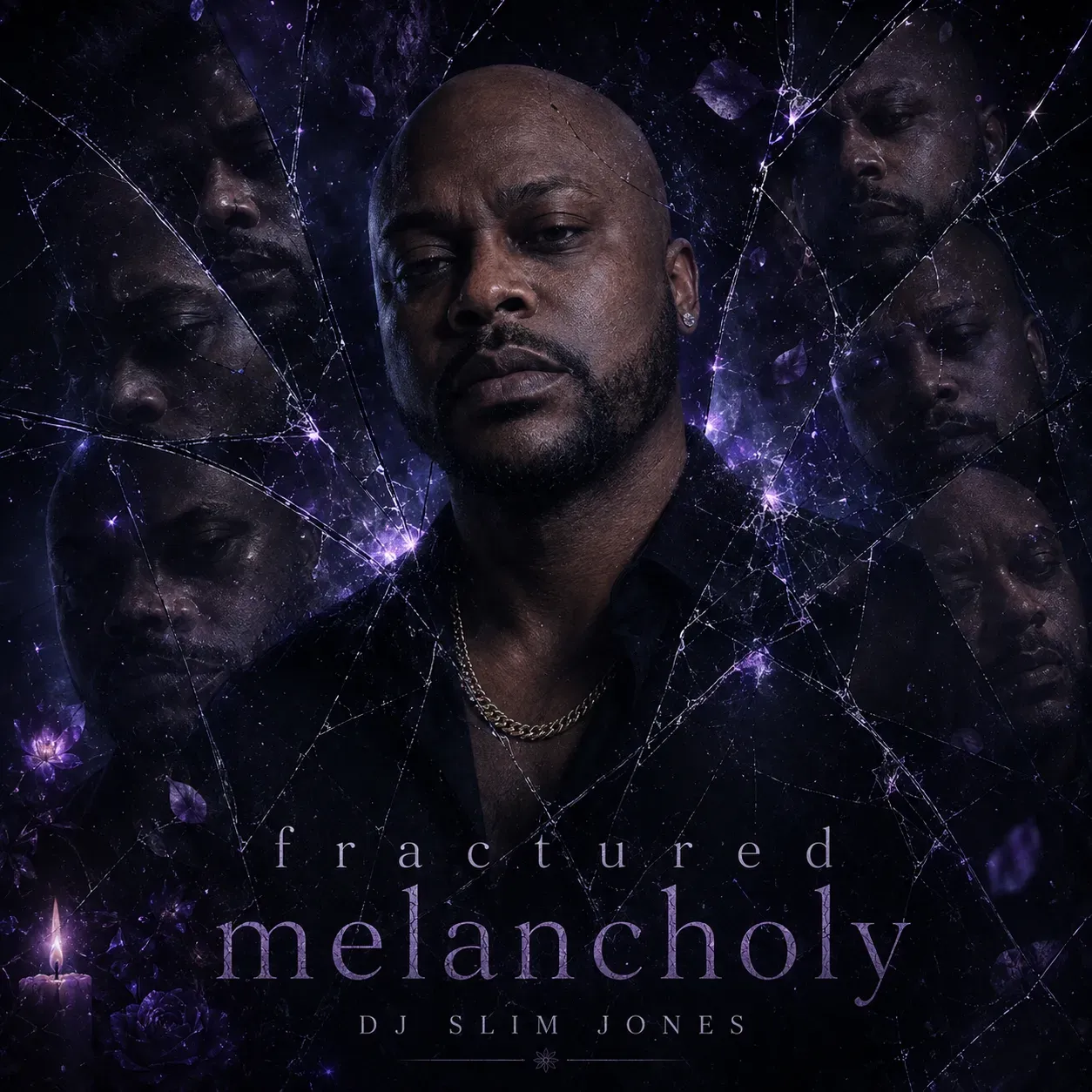
The room is quiet by the time I notice what stuck with me.
Not the loudest part of the night. Not the cleanest transition either. It’s usually one moment where two records met and the crowd gave me that quick look people give when they recognize one thing and realize they’re hearing something else at the same time.
That reaction has stayed pretty consistent, even as everything around DJing has changed. People still respond to a blend that catches them a little off guard, especially when it feels right instead of forced. That’s what keeps mashups, remixes, and genre-blending interesting to me now.
What makes an unlikely blend land
A mashup sounds simple when you describe it. Put one vocal over another record. Take a hook from here, drums from there, maybe build a new section around both.
Doing it well is the part people don’t always see.
The first test is basic: tempo, key, space. If the vocal is fighting the beat, it doesn’t matter how clever the idea is. If the phrasing lands in awkward places, people feel that right away, even if they can’t explain why. A blend has to breathe on its own.
After that, it gets more instinctive. The tone has to make sense. Not in a strict genre way. I mean the attitude of it. You can put an older soul vocal over newer drums, or pull a pop hook into something darker, but there still has to be a reason the parts belong in the same room.
That’s usually the difference between something people replay and something that just gets a quick laugh.
What changed, and what didn’t
A lot of the technical side is easier now than it used to be.
There was a time when getting a clean blend together could eat up a lot of hours before you even knew if the idea was worth keeping. Now more people have access to tools that can separate vocals, match tempo, and clean up rough edges fast. That part is real. Technology did change the work.
What it didn’t change is judgment.
A tool can help line songs up. It can’t tell you whether the switch takes energy out of a room. It can’t tell you whether a vocal feels too busy over a certain drum pattern, or whether the blend makes the original record feel smaller instead of sharper. That part still comes from listening, trying things, getting some of them wrong, and paying attention when a crowd tells you the truth.
That difference matters to me. Operating equipment and reading people are two different skills. They overlap, but they’re not the same job.
Why genre lines matter less now
One thing that does feel different from earlier years is how people listen.
It used to be easier to predict what somebody meant when they said they liked one kind of music. Now a listener might move from hip-hop to R&B to rock to dance records without treating that as a big statement. That shift helped mashups make more sense to more people.
In that way, a lot of current genre-blending isn’t really a brand-new idea. It’s an old DJ instinct with fewer barriers around it. The audience is already used to hearing different eras and styles next to each other, so when a blend works, they get to it faster.
I like that part. It opens up more room for taste.
Not everything unexpected is good just because it’s unexpected. I’ve heard plenty of blends that were technically fine and still felt empty. Then I’ve heard combinations that looked strange on paper and settled in immediately because the groove, vocal, and attitude all agreed with each other.
That’s what I still listen for.
Why people keep coming back to it
A strong mashup gives people two points of entry at once. They know the voice, or they know the beat, and then the second piece changes how they hear the first one.
That can be funny. It can hit a memory. It can make somebody turn around and ask what record is playing. I’ve seen all of that happen. Earlier in my career, that surprise felt more like a trick when it worked. Now it feels more like recognition. People are used to music moving around, being re-edited, clipped, reshaped, and reintroduced. The surprise is still there, but the ears are different.
I don’t think that makes the older way better or the newer way worse. It just changes what a blend has to do. It has to hold up past the first reaction.
If you want to hear the kind of mashups, remixes, and mixes I mean, they’re up on my Audiomack.
By the end of the night, after everything’s packed and the speakers are off, those are usually the parts I replay. Not the obvious choices. Just the moment where two records met, the room caught it, and then it was gone.