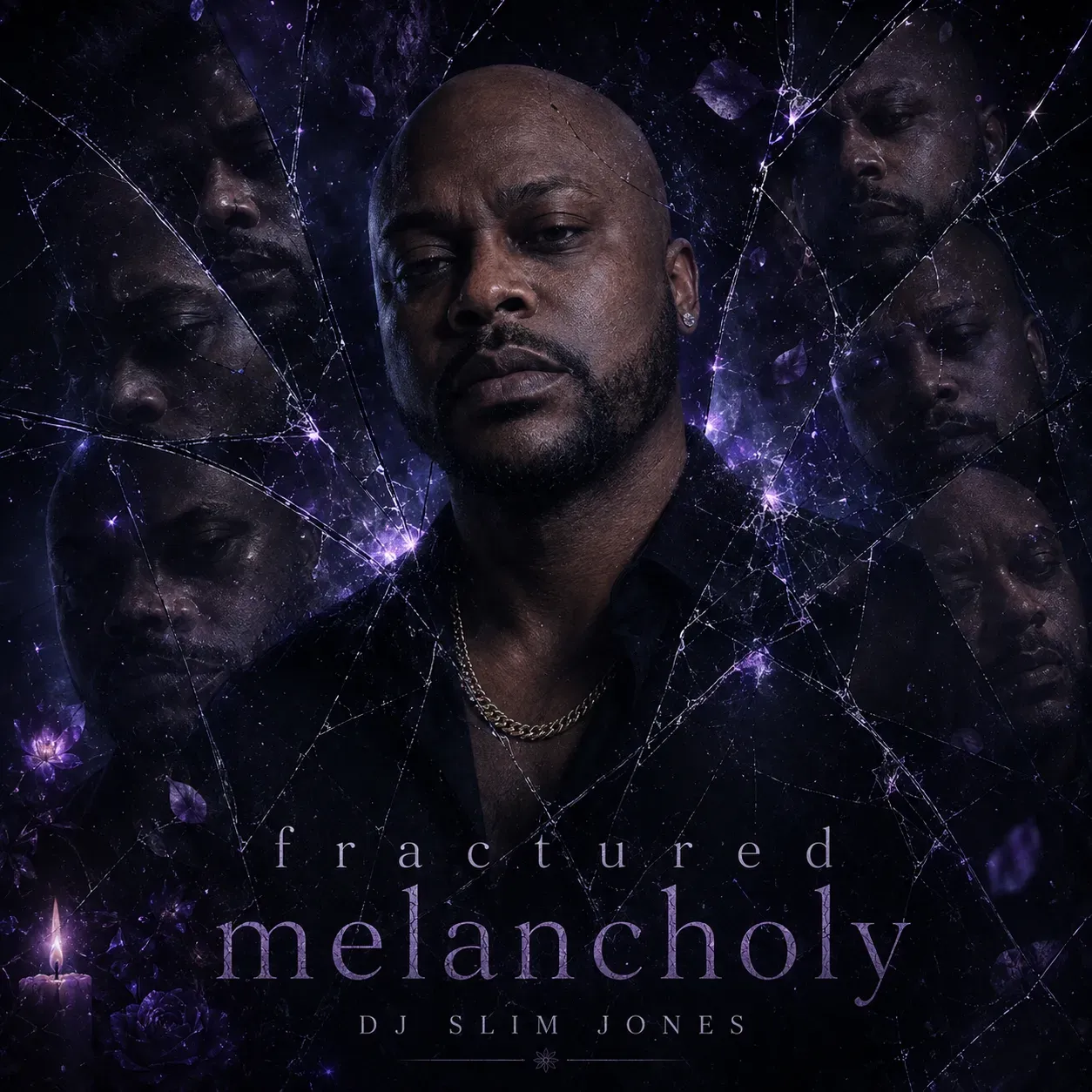
Saturday Morning Mix Notes: The Thirty-Second Audition

Saturday, October 3, 2026
Good morning everyone. Coffee’s here, the week is finally slowing down, and I’ve been thinking about the first thirty seconds.
Not the whole song. Not the big finish. Not the part where everything opens up after a few minutes.
The first thirty seconds.
That little window when somebody presses play on a DJ mix, hears the opening, and decides whether they’re staying or reaching for the next button.
The finger is right there. Hovering. Patient, but not that patient.
This week, I kept listening for the opening
This week I spent time moving through blends, mashups, and unfinished ideas with that thirty-second question in the back of my mind:
Does the opening give somebody a reason to stay?
I went back to Circle Your Tears, the mashup built around Post Malone and The Weeknd, and So Much Misery. Both live in my blends and mashups world, but they don’t ask for attention in exactly the same way.
One pulls you in through the feeling of the records meeting each other. The other lets the mood sit a little heavier. There’s space in it. You get a sense of where it’s going without being handed the whole answer right away.
That’s the balance I keep chasing.
A mix needs to make sense quickly, but it shouldn’t explain everything immediately. There has to be a little door left open.
I listened for the small things this week. How soon does the main idea arrive? Does the first transition feel natural? Is the low end clean enough that the listener doesn’t have to fight the track? Does the blend sound like two songs placed next to each other, or does it feel like one new thing?
Those details matter whether I’m working on a hip hop mix, an r&b mix, a mashup mix, or something that wanders into genre bending music before I even realize it.
Thirty seconds isn’t a gimmick
I don’t think every mix needs to explode in the first five seconds.
That can get tiring fast.
A quiet opening can work. A slow build can work. A strange texture can work. A familiar vocal arriving from an unexpected place can work. The point isn’t to chase the fastest possible reaction. The point is to let the listener understand that there’s intention behind what they’re hearing.
The first thirty seconds are an invitation.
They tell someone, “This is the room we’re in. Give me a little time and I’ll show you what I’m doing.”
That invitation can come from a beat, a vocal, a mood, a clean cut, or a transition that makes somebody lean in because they didn’t expect those two records to fit together.
It doesn’t have to be loud. It just has to feel honest.
After watching music and listening habits change over time, I’ve noticed that the tools keep getting faster, but the basic question stays the same: does this connect with somebody?
The software can help organize a library. Platforms can recommend songs. A listener can jump from one mix to another before the last sound has even disappeared.
But none of that replaces judgment.
A DJ still has to know when to let a record breathe, when to move, when to hold the tension, and when a transition is technically possible but emotionally wrong. That’s the difference between operating equipment and actually engaging an audience.
And every blend, mashup, remix, edit, and transition I make is 100% human-made, with no artificial assistance. I’m listening, searching, cutting, arranging, testing, and making the call myself.
Sometimes the right answer is obvious.
Sometimes I have to hear the same sixteen bars twelve different ways before the answer stops hiding.
What earns the rest of the song?
For me, the first thirty seconds earn the rest of the song when they offer three things.
First, there needs to be a clear feeling.
It could be smooth, restless, warm, dark, playful, or a little off-center. I don’t need the listener to know every detail, but I want them to feel the direction.
Second, there needs to be movement.
That doesn’t mean a drop every few seconds. It might be a vocal entering, a drum pattern shifting, a new layer showing up, or two records beginning to lock into the same pocket. Something should be developing.
Third, there needs to be a reason to trust the next moment.
That trust comes from clean sound, thoughtful song choices, and transitions that don’t feel forced. It comes from knowing that the person behind the mix is paying attention.
That’s what I’m trying to give people when they find one of my mixes. Not a perfect audition designed to show off every trick. Just a strong first step into something that might stay with them for a while.
One person sending one link still matters
A new listener might find a mix through a search, a playlist, a recommendation, or a random late-night click.
That’s all part of it.
But I still believe one person sending one link to another person matters more than any feed.
Somebody hears a song and thinks, “You would get this.”
Then they send it.
That small moment has always meant something. It’s personal without being complicated. No campaign. No big announcement. Just one listener putting another listener onto a sound.
That’s how music keeps moving.
Maybe somebody in Pensacola sends a mix to a friend on the Gulf Coast. Maybe somebody hears a mashup in Florida and passes it along to someone three states away. Maybe the person who presses play was only looking for background music and ends up finding a blend they want to hear again.
You never really know where the next set of ears is coming from.
That’s why I keep putting the music out there. The mixes are free, and the whole point is for the world to hear them.
If you’ve got a minute this morning, check out DJ Slim Jones on Audiomack. Press play on a DJ mix, explore the music mashups and remixes, or send one track to somebody who would get it.
No pressure. Just let the first thirty seconds do their little job.
A quick note for the next event
The next Wednesday post will be about something a little more practical: how to tell whether a DJ is right for your event before you ever talk to them.
A good place to start is listening to what they’ve already made.
Do they have the range for your room? Can they move between familiar records and unexpected choices? Do their mixes sound like they understand energy, or are they just stacking songs together? If you’re planning a house party, nightclub night, wedding, or special event, those answers can tell you a lot before the first conversation.
If you’re thinking about a party DJ, event DJ, or wedding DJ for the Pensacola and Gulf Coast area, you can also visit the booking page. Rachel handles inquiries there and can help get the conversation started.
For now, I’m going back to the coffee and listening again.
The finger may be hovering over the next button, but a good opening doesn’t beg anyone to stay.
It gives them something real enough to make staying feel easy.